
Smart buildings are changing the way we manage facilities. With the rise of technology, businesses and property owners are looking for ways to improve efficiency, reduce costs, and create a better environment. This is where Building Management Systems (BMS) come in.
A BMS is a smart system that helps control and monitor various building operations, such as lighting, HVAC, security, and energy management. It allows facility managers to track and adjust building performance in real-time, leading to better efficiency and lower costs.
As more buildings adopt smart technology, BMS becomes a game-changer in facility management. It not only makes operations smoother but also helps in creating sustainable and energy-efficient buildings. In this article, we’ll explore how BMS shapes the future of smart buildings and why it’s essential for modern facility management.
Understanding BMS: What is a Building Management System?
A Building Management System (BMS) is an advanced software-based solution that helps control and monitor a building’s essential systems. It acts as the central brain of a smart building, ensuring that everything—from lighting and HVAC (heating, ventilation, and air conditioning) to security and energy management—operates efficiently.
How Does a BMS Work?
A BMS collects data from various sensors and controllers placed throughout a building. These sensors track temperature, humidity, energy usage, and security levels. The system analyzes this data and automatically adjusts to improve efficiency, comfort, and safety.
For example, if a room is unoccupied, the BMS can turn off the lights and adjust the air conditioning to save energy. Similarly, if indoor air quality drops, the system can increase ventilation to maintain a healthy environment.
Key Components of a BMS
A BMS consists of several critical components that work together to manage building operations:
- Sensors & Detectors – Monitor temperature, humidity, motion, air quality, and energy usage.
- Controllers – Process data from sensors and send commands to building systems.
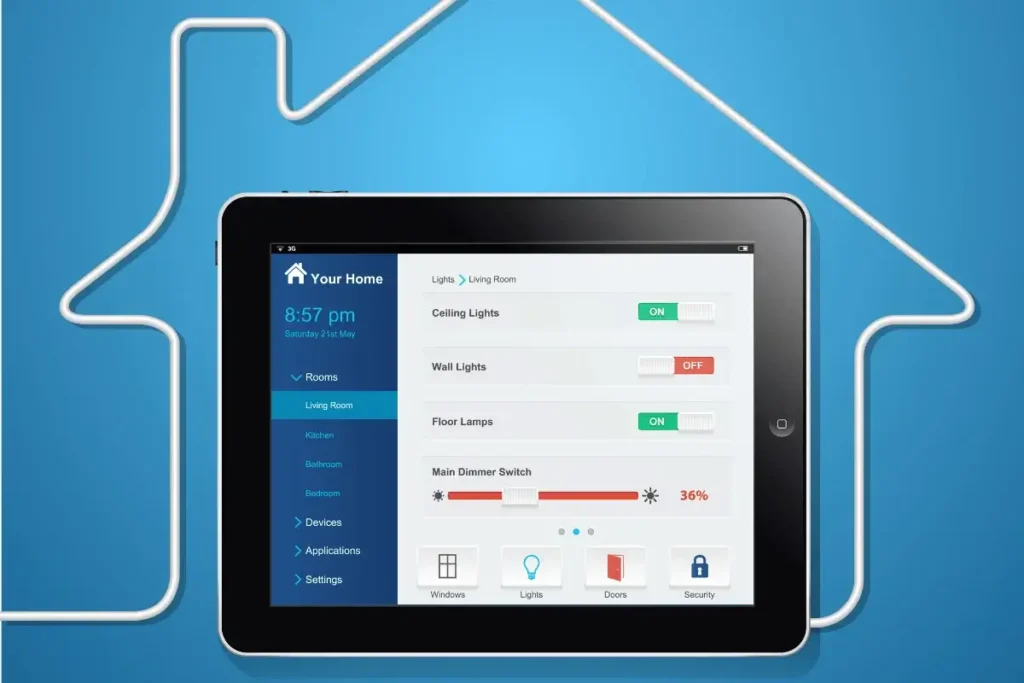
- User Interface (Dashboard) – Allows facility managers to view and control building operations in real-time.
- Communication Network – Connects different building systems for smooth data transfer.
Functions of a BMS in Facility Management
A well-integrated BMS helps businesses and property owners in multiple ways, such as:
- Energy Management – Optimizes power usage, reduces waste, and lowers electricity costs.
- HVAC Control – Adjusts heating and cooling based on occupancy and weather conditions.
- Lighting Automation – Turns lights on and off automatically, improving energy efficiency.
- Security & Access Control – Manages surveillance, alarm systems, and building access.
- Remote Monitoring – Allows facility managers to track and adjust operations from anywhere.
Why is BMS Important for Modern Buildings?
Today, energy efficiency and sustainability are top priorities for building owners. A BMS plays a crucial role in reducing carbon footprints, cutting operational costs, and ensuring compliance with environmental regulations. By integrating IoT, AI, and cloud computing, modern BMS solutions are becoming even more intelligent and automated.
With rapid technological advancements, a smart BMS is no longer a luxury—it’s a necessity for managing large buildings, offices, hotels, hospitals, and shopping malls. It enhances operational efficiency and creates a more comfortable and safer environment for occupants.

The Evolution of Facility Management with Smart BMS
Facility management has come a long way over the years. In the past, building operations were managed manually, requiring constant supervision, frequent inspections, and reactive maintenance. This approach was not only time-consuming but also led to higher operational costs and inefficiencies.
With the rise of technology, Building Management Systems (BMS) have transformed the way buildings are maintained. Facility managers now have access to real-time data, automation, and remote control, making operations more efficient and cost-effective.
Traditional Facility Management vs. Smart BMS
| Feature | Traditional Facility Management | Smart BMS-Based Facility Management |
| Monitoring | Manual inspections required | Automated real-time monitoring |
| Energy Efficiency | High energy waste due to lack of optimization | Optimized energy use with smart controls |
| Maintenance Approach | Reactive (fixing issues after failure) | Proactive & predictive (preventing failures before they happen) |
| Remote Access | On-site presence required | Remote control via cloud-based systems |
| Data Utilization | Limited or no data insights | AI-driven analytics for smarter decisions |
How BMS is Revolutionizing Facility Management
Real-Time Monitoring and Automation:
A smart BMS continuously monitors a building’s HVAC, lighting, security, and energy usage. It collects data and makes automatic adjustments, ensuring maximum efficiency.
Predictive Maintenance for Cost Savings:
Traditional maintenance is reactive—problems are fixed after they occur. With smart BMS, AI-driven predictive maintenance helps detect early signs of system failures, reducing repair costs and preventing downtime.
Enhanced Energy Efficiency and Sustainability:
Buildings consume a significant amount of energy. A BMS optimizes heating, cooling, and lighting to cut unnecessary energy use. This leads to lower utility bills and supports environmental sustainability.
Remote Access and Cloud Integration:
With cloud-based BMS, facility managers can control building systems from anywhere using a smartphone or computer. Remote access makes management effortless, whether adjusting temperatures, turning off unused lights, or checking security systems.
Improved Safety and Security:
A modern BMS integrates with CCTV, fire alarms, and access control systems. It detects security threats, unauthorized access, or potential fire hazards and responds instantly, ensuring a safe environment for occupants.
The Future of Facility Management with BMS
With advancements in AI, IoT, and automation, smart BMS solutions will continue to evolve. Future buildings will be even more self-regulating, energy-efficient, and cost-effective. Facility managers who adopt smart BMS today will stay ahead, ensuring better operations, sustainability, and long-term savings.
Key Benefits of BMS in Smart Buildings
A Building Management System (BMS) plays a vital role in modern smart buildings, ensuring smooth operations, energy efficiency, and enhanced security. By integrating automation, real-time monitoring, and smart controls, BMS transforms traditional facility management into a cost-effective, sustainable, and highly efficient process.
Let’s explore the key benefits of BMS in smart buildings:
Significant Energy Savings:
Energy consumption is one of the biggest expenses in building management. A smart BMS optimizes energy use by monitoring and adjusting lighting, HVAC, and power distribution. It ensures that no energy is wasted, leading to:
- Lower electricity bills
- Reduced carbon footprint
- Better sustainability practices
Improved Comfort and Indoor Environment:
A smart building isn’t just about efficiency—it’s also about creating a comfortable space for occupants. BMS continuously monitors temperature, humidity, and air quality, ensuring a healthy and pleasant indoor environment. It can:
- Automatically adjust HVAC settings based on occupancy and external weather conditions
- Maintain optimal lighting levels for better productivity and well-being
- Enhance indoor air quality by managing ventilation systems
Advanced Security and Safety Features:
Security is a top priority in modern buildings, and BMS plays a crucial role in integrating and automating security systems. It enhances safety by:
- Monitoring surveillance cameras and alarms in real-time
- Restricting unauthorized access with automated access control systems
- Detecting fire, smoke, or gas leaks and triggering instant alerts
Predictive Maintenance for Cost Reduction:
Traditional maintenance is reactive—problems are addressed only after they occur. With smart BMS, predictive maintenance uses AI and data analytics to detect potential failures before they happen. This results in:
- Reduced equipment downtime
- Lower maintenance and repair costs
- Extended lifespan of building systems
Remote Monitoring and Control:
One of the most powerful features of a modern BMS is remote access. Facility managers can monitor and control building operations from anywhere using cloud-based platforms. This allows them to:
- Adjust HVAC and lighting settings remotely
- Receive instant alerts for system malfunctions
- Ensure smooth operations without being physically present
Regulatory Compliance and Sustainability:
Governments and organizations are pushing for greener, more energy-efficient buildings. A BMS helps buildings comply with environmental regulations by:
- Optimizing energy use to meet green building standards
- Providing detailed energy reports for regulatory audits
- Reducing waste and promoting sustainability goals
Increased Property Value and ROI:
Smart buildings with integrated BMS solutions attract higher property value and investor interest. Owners and businesses benefit from:
- Higher occupancy rates due to better facilities
- Increased rental and resale value
- Faster ROI through long-term cost savings
Implementing a smart BMS is no longer optional—it’s a necessity for modern buildings. Whether it’s reducing costs, improving comfort, enhancing security, or ensuring sustainability, a well-optimized BMS makes buildings smarter, safer, and more efficient.
As technology continues to advance, the future of facility management will be driven by AI-powered, cloud-based BMS solutions—helping businesses stay ahead in an increasingly digital world.

How BMS is Driving Sustainability in Buildings
Sustainability has become a major focus in modern construction and facility management. Buildings account for nearly 40% of global energy consumption, making it crucial to adopt technologies that reduce energy waste and carbon footprints. It is where Building Management Systems (BMS) play a key role. By integrating automation, smart controls, and real-time monitoring, BMS ensures that buildings operate in an energy-efficient, eco-friendly, and sustainable manner.
Let’s explore how BMS is transforming buildings into sustainable spaces:
Energy Efficiency and Reduced Waste:
A smart BMS continuously monitors and optimizes energy usage, ensuring that no energy is wasted. It automatically adjusts HVAC, lighting, and power systems based on real-time occupancy, outdoor conditions, and energy demand. This results in:
- Lower electricity consumption
- Reduced reliance on fossil fuels
- Increased overall energy efficiency
Integration of Renewable Energy Sources:
Modern BMS solutions allow buildings to seamlessly integrate renewable energy sources like solar panels and wind turbines. They manage energy production and distribution, ensuring:
- Efficient use of solar power by storing excess energy in battery systems
- Optimized energy flow between renewable and conventional power sources
- Lower dependence on non-renewable resources
Smart Water Management:
Water conservation is a key aspect of sustainability. A BMS helps reduce water wastage by:
- Monitoring water usage in real-time
- Detecting leaks and preventing excessive water loss
- Optimizing irrigation systems for landscapes and green buildings
By implementing automated water-saving measures, buildings can significantly cut down on water consumption and operational costs.
Lower Carbon Footprint and Greenhouse Gas Emissions:
A well-optimized BMS reduces a building’s carbon footprint by:
- Minimizing energy waste and lowering overall power consumption
- Reducing HVAC and lighting emissions through smart automation
- Ensuring compliance with green building certifications like LEED and BREEAM
By cutting down greenhouse gas emissions, buildings can contribute to global climate change efforts while reducing operational expenses.
Waste Management and Smart Recycling:
BMS solutions also help manage building waste efficiently by:
- Tracking waste generation and disposal patterns
- Encouraging recycling through smart waste bins and automated sorting
- Reducing landfill waste by promoting sustainable practices
These systems promote eco-friendly waste disposal methods, making buildings more environmentally responsible.
Enhanced Indoor Air Quality for a Healthier Environment:
Sustainability is not just about saving energy—it’s also about creating a healthy living and working environment. BMS ensures high indoor air quality by:
- Monitoring air pollutants, CO₂ levels, and humidity
- Optimizing ventilation to maintain fresh air circulation
- Reducing reliance on artificial air purifiers by improving natural airflow
Better indoor air quality leads to healthier, more productive occupants while reducing the need for energy-intensive air purification systems.
Supporting Green Building Certifications and Compliance:
Many organizations aim to achieve sustainability certifications such as:
- LEED (Leadership in Energy and Environmental Design)
- BREEAM (Building Research Establishment Environmental Assessment Method)
- WELL Building Standard
A BMS helps buildings meet these standards by:
- Optimizing energy performance and sustainability metrics
- Providing real-time reports for compliance audits
- Helping businesses qualify for green tax incentives and rebates
Sustainability is no longer just a trend—it’s a necessity. A well-integrated BMS makes buildings smarter, greener, and more efficient by reducing waste, conserving energy, and optimizing resources. With the rise of AI-powered, cloud-based BMS solutions, the future of sustainable buildings looks promising, cost-effective, and environmentally responsible.

Adopting BMS today is a step towards a greener tomorrow.
Challenges in Implementing Smart BMS
While Building Management Systems (BMS) offers numerous benefits, implementing a smart BMS comes with its own set of challenges. Many buildings, especially older ones, face obstacles in adopting these advanced systems due to technical, financial, and operational barriers.
Understanding these challenges can help businesses and facility managers make informed decisions and develop effective strategies for smooth BMS integration.
Here are the key challenges in implementing a Smart BMS:
High Initial Costs
One of the biggest hurdles in adopting a smart BMS is the high upfront investment. Costs associated with hardware, software, sensors, automation systems, and installation can be significant. Many businesses hesitate due to:
- Expensive infrastructure upgrades in older buildings
- Cost of skilled professionals for installation and maintenance
- Long return on investment (ROI) period, making it harder to justify the expense
Solution: Businesses can opt for phased implementation, starting with critical systems like HVAC and lighting before expanding to a full-scale BMS.
Compatibility with Existing Infrastructure
Older buildings may not have the required wiring, sensors, or digital interfaces to support a modern BMS. Integrating new technology with outdated systems can lead to:
- Technical incompatibility issues
- Higher modification and retrofitting costs
- Inconsistent data collection and automation problems
Solution: Conduct a building audit before installation to identify which systems need upgrades and ensure seamless integration.
Cybersecurity Risks and Data Privacy Concerns
A smart BMS relies on IoT (Internet of Things) connectivity to collect and process real-time data. However, this connectivity also exposes buildings to cyber threats, hacking, and data breaches. Common security challenges include:
- Unauthorized access to building controls
- Data leaks and privacy concerns
- Potential system failures due to cyberattacks
Solution: Implement strong cybersecurity measures, including firewalls, encryption, multi-factor authentication, and regular security updates.
Complexity in Installation and Management
BMS is a highly technical system that requires expert knowledge for installation, configuration, and ongoing management. Many businesses struggle with the following:
- Lack of trained staff to operate the system efficiently
- Time-consuming setup and troubleshooting
- Need for continuous training and technical support
Solution: Partner with experienced BMS providers who offer training, support, and ongoing maintenance services.
Resistance to Change from Facility Managers
Many facility managers and employees are accustomed to traditional building operations and may resist switching to a fully automated system. Common concerns include:
- Fear of job displacement due to automation
- Difficulty in adapting to new technology
- Skepticism about system efficiency and reliability
Solution: Provide proper training and education to staff, highlighting the benefits of BMS in reducing workload and improving efficiency rather than replacing jobs.
Integration Challenges with Multiple Systems
Modern buildings rely on various systems for lighting, HVAC, security, and energy management. Ensuring that a BMS can seamlessly integrate with all these systems can be challenging due to:
- Different manufacturers and communication protocols
- Lack of standardization across building systems
- Data inconsistencies between multiple platforms
Solution: Choose a scalable, open-protocol BMS that supports multiple communication standards like BACnet, Modbus, and KNX to ensure smooth integration.
Maintenance and System Upgrades
A BMS is not a one-time setup—it requires regular maintenance, software updates, and system upgrades to stay efficient. Businesses often face:
- Ongoing costs for system updates and repairs
- Need for specialized technicians for troubleshooting
- Risk of system failure if maintenance is neglected
Solution: Implement a preventive maintenance plan with scheduled system checks, updates, and performance optimizations to ensure long-term efficiency.
Despite these challenges, the benefits of implementing a Smart BMS far outweigh the difficulties. With the right strategy, training, and technology, businesses can overcome these hurdles and unlock the full potential of energy efficiency, automation, and sustainability in smart buildings.
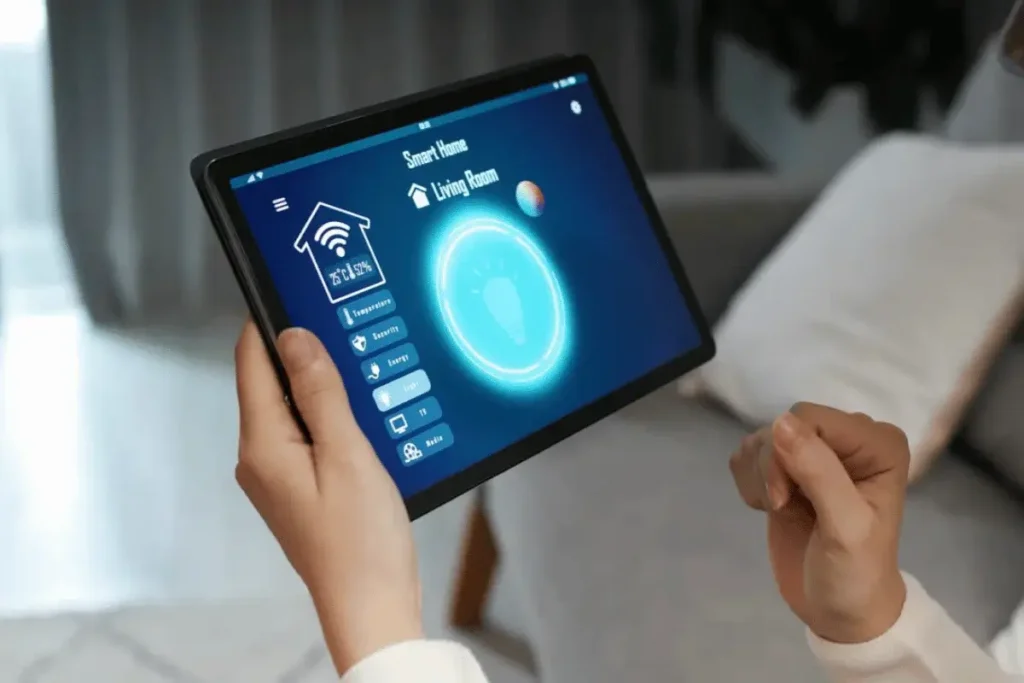
As technology advances, BMS solutions are becoming more affordable, scalable, and easier to integrate, making smart building management the future of facility operations.
How ERTS Technical Services Can Help
Implementing a smart Building Management System (BMS) can be complex, but with the right expertise, it becomes seamless. ERTS Technical Services specializes in designing, installing, and managing advanced BMS solutions, ensuring buildings operate efficiently, securely, and sustainably. Whether you’re looking to upgrade an existing system or integrate a new one, our experts are here to help.
Customized BMS Solutions for Every Building
Every facility has unique requirements, and one-size-fits-all solutions don’t work. At ERTS Technical Services, we:
- Assess your building’s needs and create a tailored BMS plan
- Ensure compatibility with existing infrastructure for a smooth transition
- Design scalable solutions that grow with your business
Benefit: Get a fully optimized BMS that meets your building’s specific energy, security, and automation needs.
Seamless Integration with Existing Systems
Integrating BMS with existing HVAC, lighting, security, and energy management systems can be challenging. Our team ensures:
- Smooth integration with all building systems
- Minimal downtime and disruption during installation
- Support for open protocols like BACnet, Modbus, and KNX for maximum compatibility
Benefit: A centralized, easy-to-manage system that enhances overall building performance.
Enhancing Energy Efficiency & Sustainability
ERTS Technical Services helps businesses reduce energy costs and environmental impact by:
- Optimizing HVAC and lighting systems to lower energy waste
- Implementing smart sensors and automation for real-time efficiency
- Providing data-driven insights to improve sustainability efforts
Benefit: Lower energy bills and compliance with green building standards.
Advanced Security & Remote Monitoring
Security is a top priority in smart buildings. Our BMS solutions include:
- Real-time monitoring and alerts for security breaches
- Automated access control and surveillance integration
- Cloud-based remote management for 24/7 building control
Benefit: A safer, smarter building with enhanced protection against unauthorized access and system failures.
Expert Installation & Ongoing Support
Our job doesn’t end with installation. We provide:
- Professional setup and testing for optimal performance
- Regular system maintenance and updates to prevent downtime
- 24/7 technical support to resolve any issues quickly
Benefit: A hassle-free BMS experience with continued expert support.
At ERTS Technical Services, we make BMS implementation simple, efficient, and cost-effective. Whether you’re modernizing an existing building or developing a new smart facility, our team delivers cutting-edge solutions tailored to your needs.
Conclusion
Smart buildings are the future of facility management, and Building Management Systems (BMS) play a crucial role in transforming how buildings operate. From energy efficiency and automation to enhanced security and sustainability, BMS is redefining modern infrastructure.
Despite the challenges in implementation, the benefits of a well-integrated smart BMS far outweigh the difficulties. With the right strategy and expert guidance, businesses can unlock long-term savings, improved efficiency, and a more sustainable future.
At ERTS Technical Services, we provide customized BMS solutions to help businesses seamlessly transition into the era of smart buildings. Our team ensures smooth integration, optimized performance, and continuous support to keep your facility running at its best.
Now is the time to embrace smart technology for smarter buildings. Whether you’re looking to upgrade an existing system or implement a new one, our experts are ready to help.