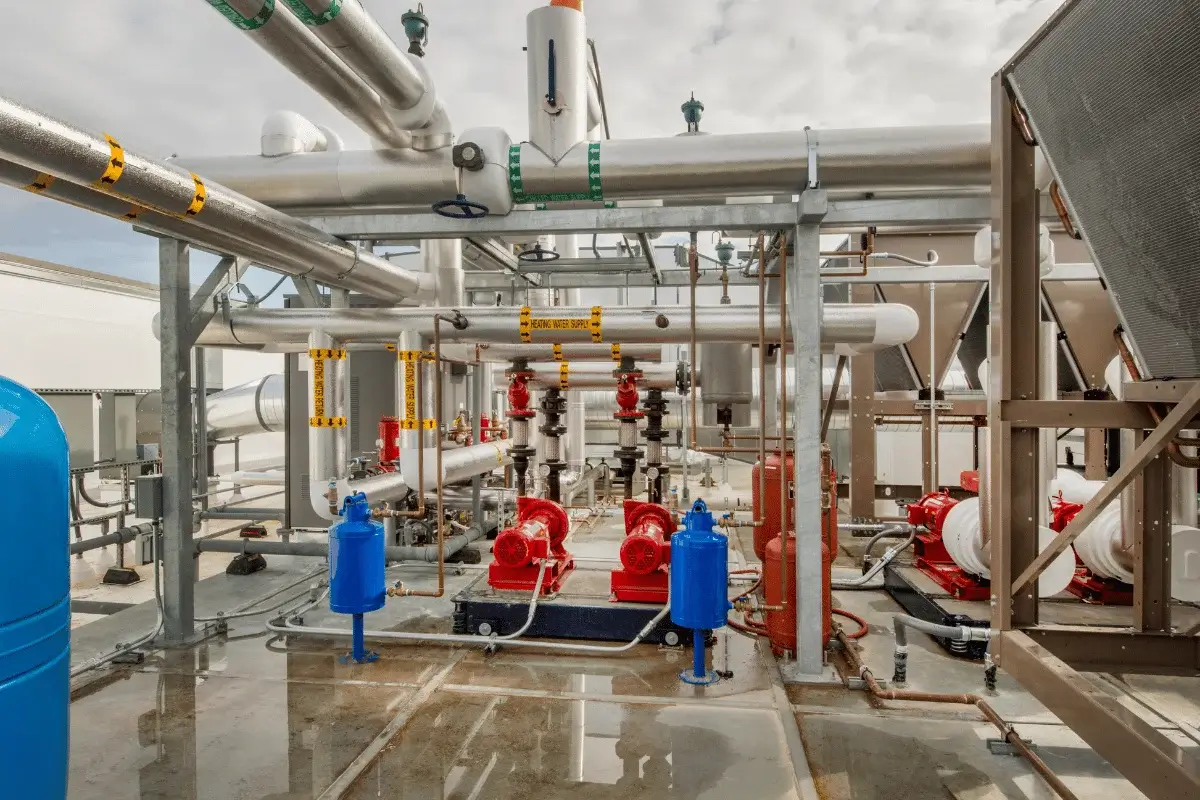
Every successful construction project relies on a strong foundation, not just in terms of structure but also in essential systems that keep the building running efficiently. MEP(Mechanical, Electrical, and Plumbing) systems are the backbone of modern buildings. They ensure comfort, functionality, and safety.
From HVAC systems that regulate temperature to electrical networks that power daily operations and plumbing systems that provide clean water, MEP systems play a vital role in every construction project. Without them, buildings would be inefficient, unsafe, and uncomfortable.
A well-designed MEP system can reduce energy costs, improve sustainability, and enhance occupant comfort. That’s why construction professionals prioritize MEP planning from the early stages of a project.
In this article, we’ll explore why MEP systems are essential, their key components, modern innovations, and how expert solutions can ensure a smooth and successful construction process.
Understanding MEP Systems: What They Include
MEP systems form the lifeline of any building, ensuring it functions efficiently, safely, and comfortably. These systems cover three critical areas: Mechanical, Electrical, and Plumbing, each playing a unique role in modern construction.
Mechanical Systems: Ensuring Comfort and Air Quality
Mechanical systems in a building are primarily responsible for heating, ventilation, and air conditioning (HVAC). These systems maintain indoor air quality, regulate temperature, and ensure proper airflow, making spaces comfortable for occupants.
- HVAC Systems – Control heating, cooling, and ventilation to maintain indoor comfort.
- Ventilation Systems – Remove indoor pollutants and bring in fresh air, improving health and air quality.
- Elevators and Escalators – Facilitate easy movement within multi-story buildings.
- Fire Protection Systems – Include smoke control and pressurization to enhance building safety.
A well-designed mechanical system not only enhances comfort but also helps reduce energy consumption and operational costs.
Electrical Systems: Powering Buildings Efficiently
Electrical systems provide the necessary power for lighting, appliances, and other essential functions in a building. They must be carefully designed to ensure safety, efficiency, and reliability.
- Power Distribution – Supplies electricity to various building areas efficiently.
- Lighting Systems – Includes energy-efficient LED lighting, emergency lighting, and smart lighting solutions.
- Fire Alarm and Security Systems – Ensure safety through smoke detectors, surveillance cameras, and access controls.
- Backup Power Systems – Such as generators and UPS (Uninterruptible Power Supply) to maintain operations during power outages.
Modern electrical systems are now integrating smart technologies like IoT-based automation to improve energy efficiency and remote monitoring.
Plumbing Systems: Managing Water Supply and Waste
Plumbing systems ensure a safe and efficient flow of water throughout a building, covering supply, drainage, and waste disposal. Proper plumbing design prevents water contamination, leakage issues, and inefficiencies.
- Water Supply Systems – Deliver clean water for daily use in commercial and residential buildings.
- Drainage & Waste Management – Ensures proper disposal of wastewater while preventing blockages and leaks.
- Rainwater Harvesting & Water Recycling – Sustainable solutions for water conservation in green buildings.
- Fire Suppression Systems – Sprinklers and hydrants designed to control fire emergencies.
A well-planned plumbing system enhances water efficiency, prevents water damage, and promotes sustainability.
Why Proper MEP Integration Matters?
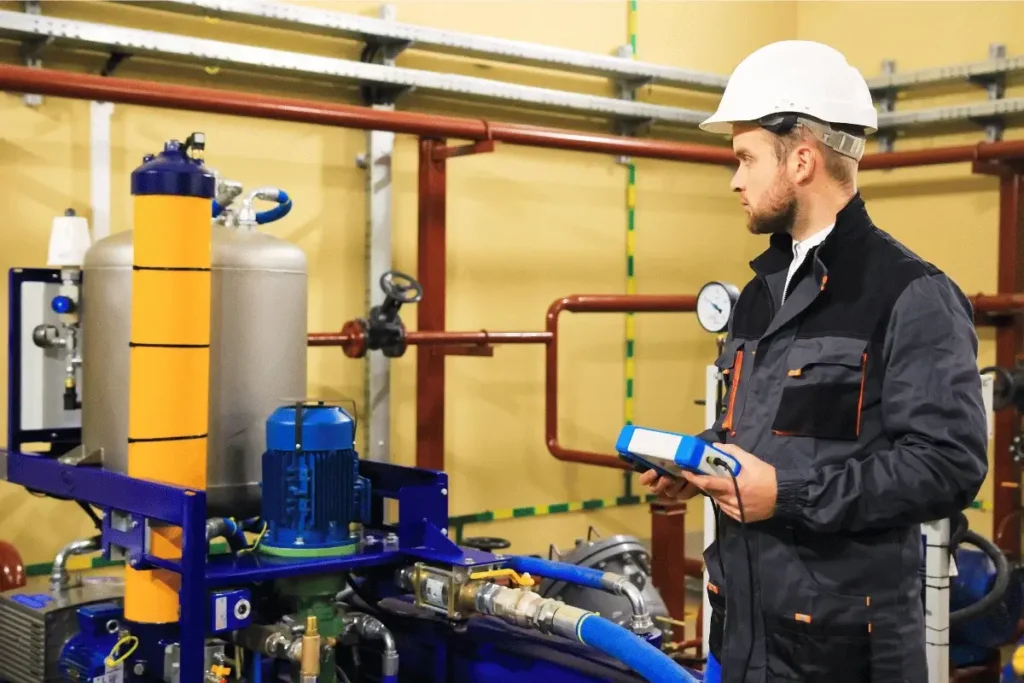
When mechanical, electrical, and plumbing systems are properly integrated, buildings run more efficiently, reduce operational costs, and meet safety regulations. Poorly designed MEP systems can lead to higher energy bills, system failures, and maintenance challenges.
By incorporating modern technology and sustainable solutions, MEP systems are evolving to create smarter, greener, and more energy-efficient buildings.
The Role of MEP in Construction Projects
MEP (Mechanical, Electrical, and Plumbing) systems play a critical role in every construction project. They ensure buildings are functional, energy-efficient, and safe. Without well-designed MEP systems, even the most structurally sound buildings would fail to provide a comfortable and efficient environment for occupants.
MEP in the Planning & Design Phase
In modern construction, MEP planning begins at the earliest design stages. Architects and engineers work together to integrate MEP systems into the building’s structural layout, ensuring:
- Space Optimization – MEP components fit seamlessly within the architectural design without interference.
- Energy Efficiency – Sustainable solutions are incorporated to reduce energy consumption.
- Cost-Effectiveness – Preventing costly design changes or system conflicts later in the project.
- Compliance with Safety Standards – Ensuring electrical loads, fire safety, and plumbing systems meet regulations.
Using Building Information Modeling (BIM), MEP engineers can create digital simulations of HVAC, electrical, and plumbing layouts, minimizing errors and improving coordination.
Enhancing Operational Efficiency
MEP systems directly impact how efficiently a building operates. A well-integrated MEP setup ensures:
- Reliable Power Supply – Electrical systems are designed to handle the building’s energy needs safely and efficiently.
- Optimized HVAC Performance – Heating and cooling systems maintain comfortable indoor conditions with minimal energy waste.
- Water Management & Waste Disposal – Plumbing networks ensure proper water distribution and drainage, preventing leaks and contamination.
Without proper MEP integration, buildings can suffer from overheating, power failures, or water leakage issues, leading to higher maintenance costs and system failures.
Sustainability & Energy Conservation
Modern construction projects prioritize sustainability, and MEP systems play a vital role in reducing carbon footprints and energy waste. Smart MEP solutions contribute to:
- Energy-Efficient HVAC Systems – Reduce electricity usage through smart thermostats, motion-based sensors, and eco-friendly refrigerants.
- LED & Smart Lighting Solutions – Lower energy consumption while improving lighting efficiency.
- Water-Saving Plumbing Fixtures – Rainwater harvesting, greywater recycling, and low-flow faucets conserve water resources.
- Renewable Energy Integration – Solar panels, geothermal heating, and smart grid connections make buildings more self-sufficient.
Safety & Compliance in Construction
A building’s safety and regulatory compliance depend heavily on MEP systems. Engineers must design and install systems that adhere to fire codes, electrical safety laws, and plumbing standards. Key aspects include:
- Fire Suppression Systems – Smoke detectors, sprinklers, and pressurization systems for fire safety.
- Electrical Load Management – Prevents short circuits, power surges, and electrical failures.
- Plumbing & Drainage Safety – Prevents water contamination, leakages, and structural damage from faulty piping.
Failing to meet MEP safety requirements can lead to project delays, legal issues, and hazardous working conditions.
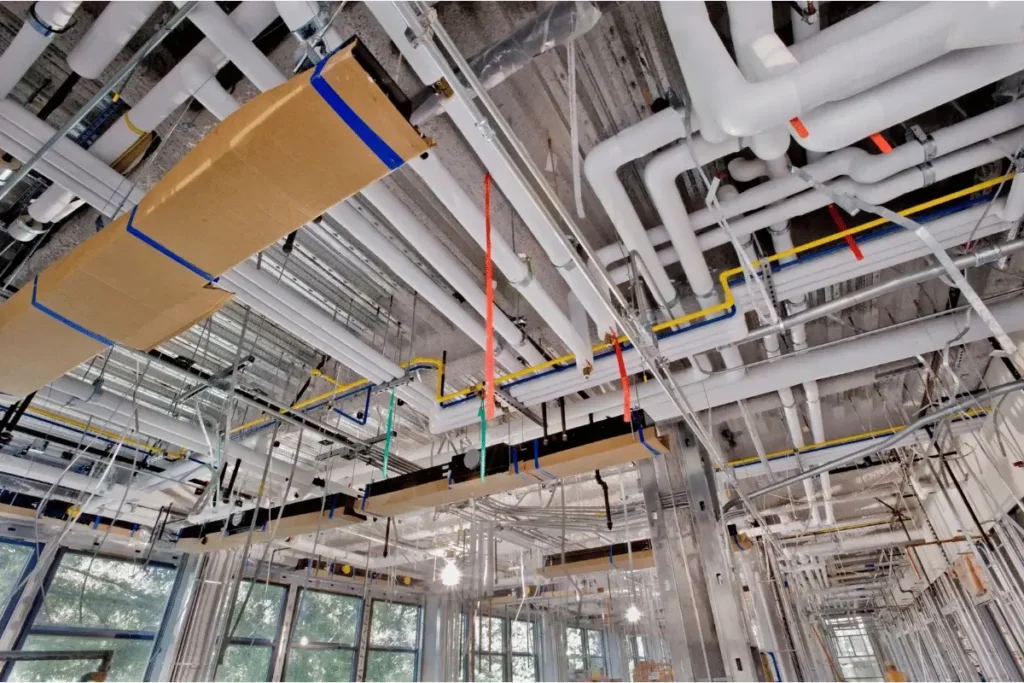
Key Benefits of Well-Designed MEP Systems
A well-designed MEP (Mechanical, Electrical, and Plumbing) system is essential for the functionality, efficiency, and sustainability of any building. These systems optimize energy usage, improve safety, reduce costs, and enhance comfort, making them a crucial part of modern construction. Below are the key benefits of having a properly integrated MEP system.
Enhanced Energy Efficiency
One of the biggest advantages of a well-planned MEP system is its ability to reduce energy consumption. Energy-efficient MEP solutions contribute to lower utility costs and a reduced environmental impact.
- Smart HVAC Systems – Advanced heating, ventilation, and air conditioning (HVAC) systems use smart sensors, programmable thermostats, and automated climate control to optimize energy usage.
- LED & Motion-Sensor Lighting – Reduces power wastage by using energy-efficient lighting and automated controls.
- Renewable Energy Integration – Solar panels, geothermal heating, and energy recovery systems further enhance sustainability and cost savings.
By incorporating these technologies, buildings can achieve LEED certification and meet global energy efficiency standards.
Improved Indoor Comfort & Air Quality
A well-designed MEP system ensures a comfortable indoor environment for occupants by controlling temperature, humidity, and air quality.
- Efficient HVAC Systems maintain consistent heating and cooling, preventing temperature fluctuations.
- Air Purification & Ventilation systems remove pollutants and improve oxygen flow, reducing health risks.
- Noise Reduction – Proper mechanical system design minimizes noise from HVAC units and electrical equipment, ensuring a quiet and peaceful atmosphere.
Comfortable indoor spaces contribute to higher productivity in offices, better learning environments in schools, and increased customer satisfaction in commercial spaces.
Cost Savings & Reduced Maintenance
Properly planned MEP systems reduce operational costs by ensuring that building utilities run at peak efficiency. It leads to:
- Lower Energy Bills – Optimized electrical and HVAC systems consume less power.
- Reduced Water Waste – Smart plumbing fixtures prevent water leaks and overuse.
- Fewer Repairs – Well-maintained electrical wiring, air conditioning units, and plumbing last longer and require fewer repairs.
A proactive MEP design also prevents costly breakdowns, leakages, and emergency repairs, saving building owners significant expenses.
Higher Safety & Compliance
A properly designed MEP system ensures that the building adheres to fire safety codes, electrical standards, and plumbing regulations, reducing the risk of accidents and legal issues.
- Fire Protection Systems – Smoke detectors, fire alarms, and sprinkler systems enhance safety.
- Electrical Load Management – Prevents power surges, short circuits, and electrical fires.
- Leak-Proof Plumbing Design – Avoids water damage, mold growth, and contamination in the building.
Meeting national and international building codes ensures occupant safety and legal compliance, preventing potential liabilities.
Sustainability & Environmental Responsibility
With growing concerns about climate change and carbon footprints, sustainable MEP solutions help buildings become eco-friendly and energy-efficient.
- Water-Saving Plumbing Fixtures – Reduce water consumption using low-flow faucets, rainwater harvesting, and greywater recycling.
- Energy Management Systems (EMS) – Monitor and control electricity usage, helping businesses meet sustainability goals.
- Smart Building Integration – Uses IoT-based automation to optimize lighting, heating, and ventilation, further reducing waste.
By implementing green building practices, companies can improve their corporate social responsibility (CSR) initiatives while also benefiting from government incentives for energy-efficient buildings.
Increased Property Value & Market Appeal
Buildings with efficient MEP systems have a higher market value because they offer cost savings, comfort, and sustainability.
- Energy-efficient buildings attract investors and tenants looking for lower utility costs and modern amenities.
- Green certifications like LEED (Leadership in Energy and Environmental Design) increase credibility and demand.
- Smart technology integration makes buildings future-proof, improving their resale and rental potential.
A well-optimized MEP system enhances a building’s reputation, making it more attractive to buyers, tenants, and businesses.
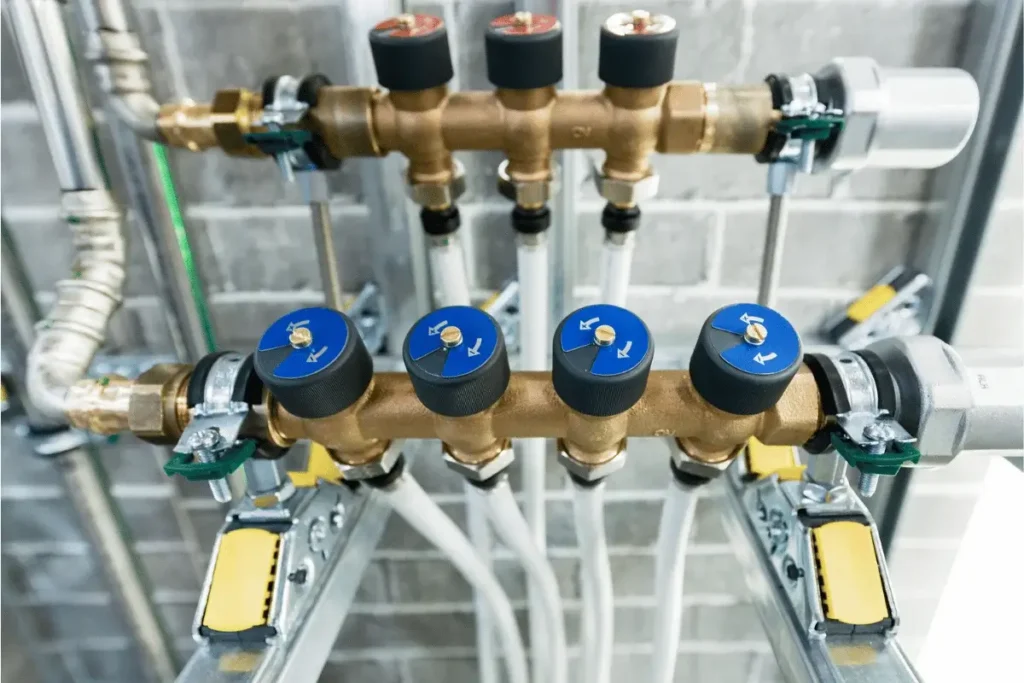
Modern Innovations in MEP Systems
As technology advances, MEP (Mechanical, Electrical, and Plumbing) systems are becoming smarter, more efficient, and environmentally friendly. Modern innovations are transforming the way buildings operate, improving energy efficiency, automation, and sustainability. Below are some of the latest innovations shaping the future of MEP systems.
Smart HVAC Systems
Traditional HVAC systems consume a significant amount of energy. Smart HVAC solutions now use:
- IoT-based sensors to adjust heating and cooling based on occupancy and external weather conditions.
- AI-powered predictive maintenance to detect system failures before they occur, reducing downtime and repair costs.
- Variable Refrigerant Flow (VRF) technology optimizes energy consumption by adjusting refrigerant levels based on real-time demand.
These advancements ensure lower energy usage, improved air quality, and enhanced comfort for building occupants.
Energy-Efficient LED Lighting & Smart Controls
Lighting is a major energy consumer in buildings. Modern MEP designs include:
- LED lighting solutions, which use 80% less energy than traditional bulbs.
- Motion and daylight sensors that adjust lighting based on occupancy and natural light availability.
- Smart lighting automation, which allows remote control via mobile apps or building management systems (BMS).
These innovations significantly reduce electricity bills and carbon footprints.
Water-Saving Plumbing Technologies
With growing concerns about water conservation, modern MEP systems integrate:
- Low-flow fixtures (toilets, faucets, and showers) that minimize water waste.
- Greywater recycling systems repurpose water from sinks and showers for non-drinking purposes like irrigation.
- Leak detection sensors automatically shut off the water supply in case of leaks, preventing damage and wastage.
These technologies contribute to sustainable water management and cost savings.
Building Information Modeling (BIM) for MEP
BIM technology is transforming MEP design by offering:
- 3D modeling for precise system planning, reducing design errors and conflicts between MEP components.
- Real-time collaboration among engineers, architects, and contractors, improving project efficiency.
- Digital twin technology, which creates a virtual replica of the building’s MEP systems for monitoring and predictive maintenance.
With BIM, construction projects achieve faster completion times, reduced costs, and improved system integration.
Renewable Energy Integration
Modern MEP systems focus on reducing reliance on traditional power sources by incorporating:
- Solar panels for electricity generation.
- Geothermal heating and cooling for sustainable temperature control.
- Wind energy solutions in large-scale projects to supplement energy needs.
These green solutions help reduce carbon emissions and promote sustainable building practices.
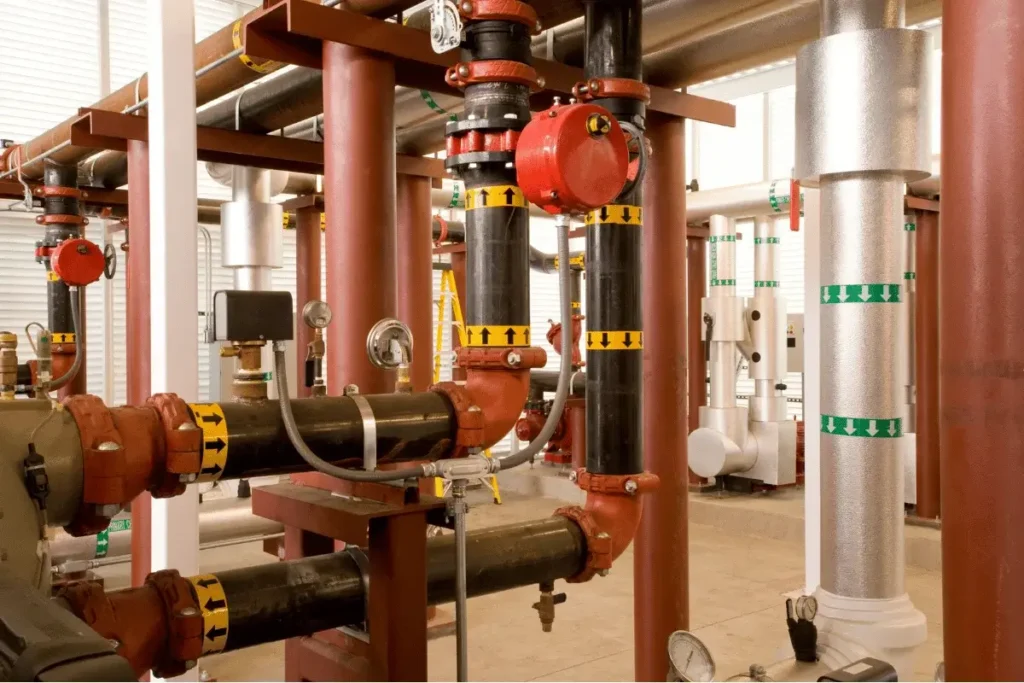
Challenges in MEP Design & Implementation
Designing and implementing MEP (Mechanical, Electrical, and Plumbing) systems in modern buildings is a complex process that requires precise planning, coordination, and execution. While advancements in technology have improved efficiency, several challenges still exist. Addressing these challenges is crucial to ensuring a seamless, cost-effective, and high-performing MEP system.
Coordination Between Multiple Disciplines
MEP systems involve mechanical, electrical, and plumbing components, each requiring input from different teams. A lack of coordination can lead to:
- Design conflicts where HVAC, electrical, and plumbing systems overlap.
- Delays in construction due to unresolved clashes.
- Increased costs from last-minute modifications.
Using Building Information Modeling (BIM) can help detect conflicts early and ensure better collaboration among teams.
Space Constraints in Building Design
Modern buildings often have limited space for MEP installations. Challenges include:
- Fitting ductwork, piping, and electrical wiring into compact spaces.
- Maintaining proper airflow and accessibility for maintenance.
- Ensuring compliance with safety regulations while optimizing space.
Proper 3D modeling and pre-planning help designers maximize efficiency within available space.
Energy Efficiency & Sustainability Compliance
As buildings move towards green energy solutions, MEP systems must align with:
- Energy-efficient HVAC and lighting systems.
- Renewable energy integration, like solar panels.
- Water conservation regulations.
Meeting these standards while balancing cost-effectiveness and performance can be challenging, requiring careful system selection and optimization.
Cost Management & Budget Constraints
MEP installations account for a significant portion of construction costs. Challenges include:
- High material and equipment costs for advanced energy-efficient solutions.
- Unexpected design changes lead to increased expenses.
- Long-term operational costs must be minimized without compromising performance.
Early cost planning and value engineering help strike the right balance between budget and quality.
Adapting to Technological Advancements
With rapid advancements in smart buildings and automation, MEP systems need to incorporate:
- IoT-based sensors for predictive maintenance.
- AI-driven energy management for efficiency.
- Smart HVAC and lighting controls for optimization.
Keeping up with new technologies while ensuring compatibility with existing infrastructure can be challenging.
Compliance with Building Codes & Safety Regulations
MEP systems must meet strict safety and regulatory standards, including:
- Fire safety codes for electrical and HVAC installations.
- Plumbing and water management regulations.
- Air quality and ventilation standards.
Failure to comply can lead to legal issues, penalties, and safety risks. Proper planning and regular inspections help ensure full regulatory compliance.
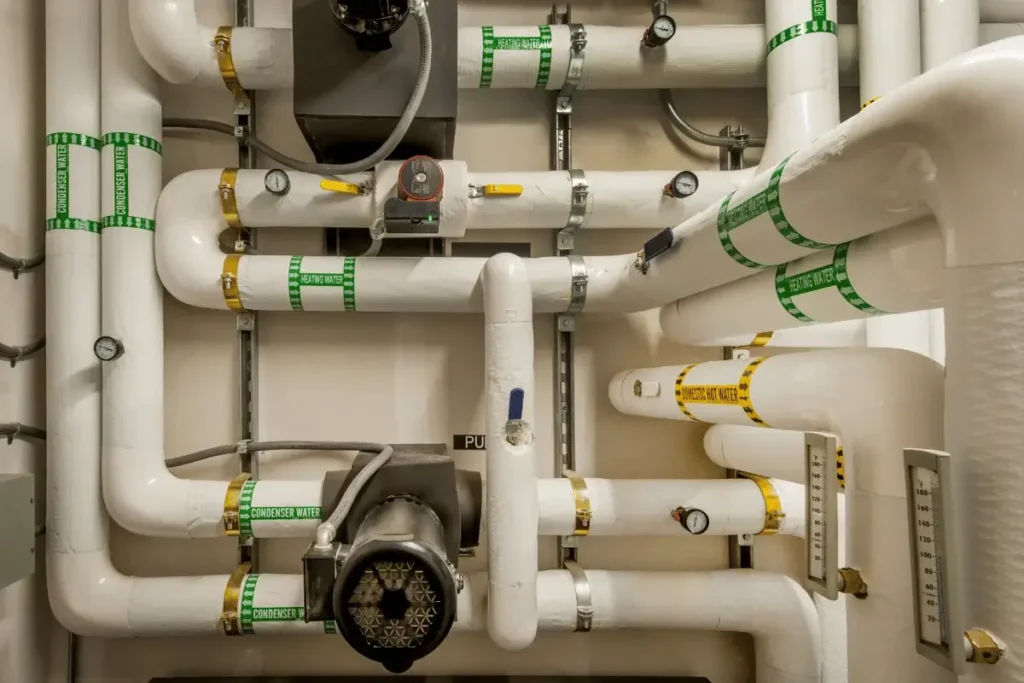
How ERTS Technical Services Can Help
At ERTS Technical Services, we specialize in delivering high-quality MEP (Mechanical, Electrical, and Plumbing) solutions. We ensure seamless construction processes and long-term building efficiency.
Our team of experienced professionals helps optimize MEP designs, improve energy efficiency, and ensure compliance with industry standards. It makes your projects more reliable, cost-effective, and sustainable.
Comprehensive MEP Design & Planning
We provide detailed MEP designs that ensure:
- Seamless integration of mechanical, electrical, and plumbing systems.
- 3D modeling and clash detection using advanced BIM technology to prevent installation issues.
- Customized solutions based on building requirements, functionality, and energy efficiency goals.
Our meticulous planning process reduces delays, minimizes costs, and enhances performance.
Energy-Efficient Solutions
Sustainability is at the heart of modern MEP systems. We help businesses implement:
- Smart HVAC systems that optimize heating, cooling, and ventilation.
- LED lighting and automated controls to reduce electricity consumption.
- Renewable energy integration, including solar and other green solutions.
By focusing on energy efficiency, we help clients achieve lower operational costs and meet sustainability goals.
Smart Building Integration
We bring buildings into the future with cutting-edge automation. Our expertise includes:
- IoT-based monitoring systems for real-time tracking of MEP performance.
- Smart building controls for HVAC, lighting, and security.
- Predictive maintenance solutions to prevent failures and reduce downtime.
Our solutions improve building efficiency, safety, and overall occupant comfort.
MEP Installation & Execution
Our team handles end-to-end MEP installation, ensuring:
- Precision and compliance with safety codes and regulations.
- High-quality materials and equipment for long-term reliability.
- Minimal disruptions to construction timelines.
From commercial buildings to industrial facilities, we ensure seamless execution with strict quality control.
Maintenance & Support Services
A well-maintained MEP system enhances building lifespan and reduces unexpected breakdowns. We provide:
- Regular inspections and preventive maintenance for HVAC, electrical, and plumbing systems.
- 24/7 emergency support to handle urgent technical issues.
- Upgrades and retrofitting services to keep MEP systems up to date.
With proactive maintenance, we help businesses avoid costly repairs and maintain peak performance.
Compliance & Safety Assurance
ERTS Technical Services ensures that all MEP systems meet local and international safety regulations, including:
- Fire safety standards for electrical and mechanical installations.
- Water management and plumbing regulations.
- Ventilation and indoor air quality guidelines.
Our experts handle all compliance requirements, giving you peace of mind and ensuring hassle-free approvals.
Conclusion
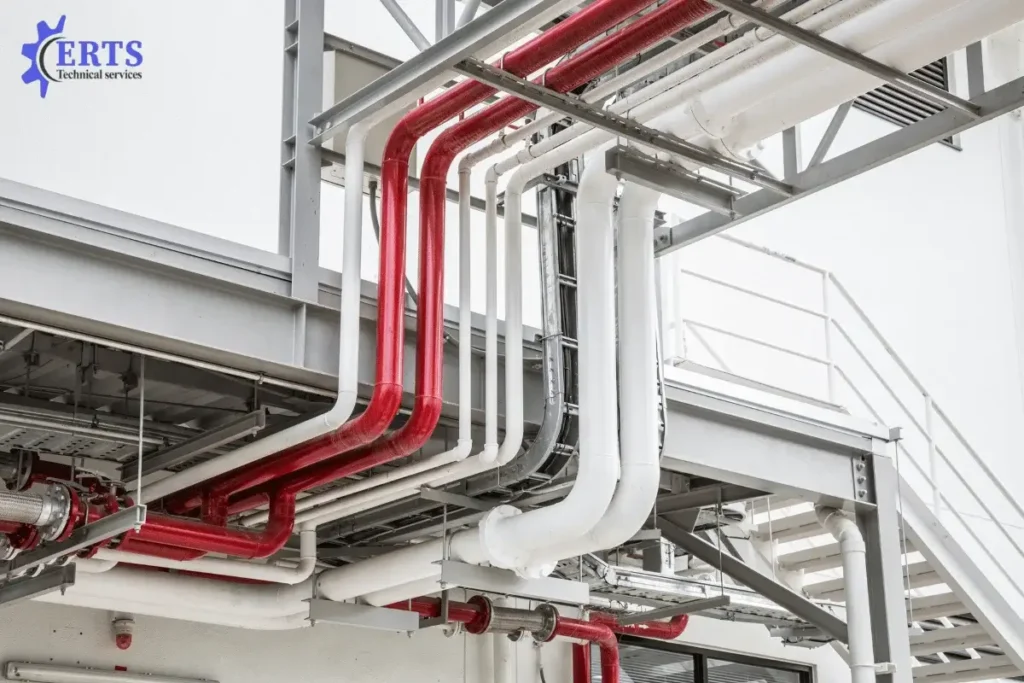
MEP systems are the backbone of every successful construction project. They ensure that buildings are safe, functional, and efficient, supporting everything from climate control to power distribution and plumbing.
With advancements in technology, modern MEP systems now enhance energy efficiency, sustainability, and automation, making buildings smarter and more cost-effective. However, designing and implementing these systems comes with challenges that require expert planning and execution.
At ERTS Technical Services, we provide comprehensive MEP solutions tailored to meet the unique needs of each project. From design and installation to maintenance and upgrades, our expertise ensures seamless performance, compliance, and long-term reliability.